

I Found Mold in My Closet After a Plumbing Leak — Do I Need Professional Remediation?
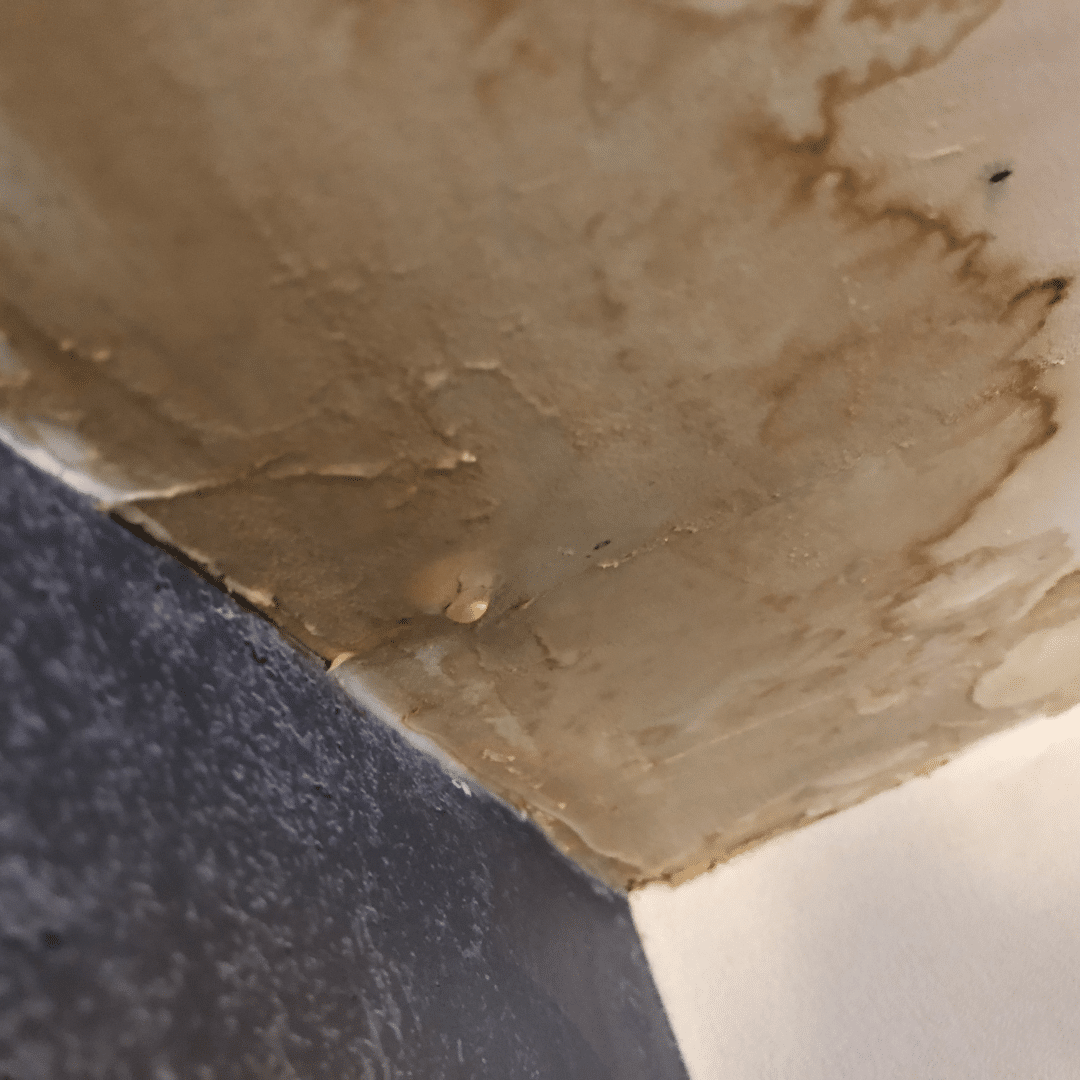
Yes, in most cases you do. Once a plumbing leak has caused visible mold growth inside a closet or wall cavity, professional remediation is the safest path forward. Mold spreads quickly in enclosed spaces, and cleaning it incorrectly can scatter spores and make the problem significantly worse.
A homeowner recently called us after noticing mold inside a closet wall following a plumbing leak. The plumber had already fixed the pipe, which is the right first step. But stopping the water source does not eliminate the mold that already took hold. That is a separate problem, and it requires a different solution.
At Aspen Environmental, we get calls like this regularly. Here is what you actually need to know if you are in the same situation.
Why Does Mold Grow in Closets After a Leak?
Closets are one of the worst places for a slow or hidden leak because they stay dark, enclosed, and poorly ventilated. Mold only needs three things to grow: moisture, a food source like drywall or wood framing, and warmth. A leaking pipe inside a closet wall checks all three boxes.
Even a leak that lasted only a few days can leave enough trapped moisture to trigger mold growth. Closets also do not dry out on their own the way an open room might. By the time you see visible mold, it has usually been growing for a while.
Is Visible Mold in a Closet a Health Risk?
Visible mold in an enclosed space like a closet should always be taken seriously, especially if anyone in the home has allergies, asthma, or a weakened immune system. Common mold species found after water intrusion can cause respiratory irritation, headaches, and other symptoms with ongoing exposure.
The enclosed nature of a closet actually concentrates mold spores more than an open room would. Every time you open that closet door, you disturb those spores and send them into your living space. That is reason enough to address it promptly.
Can I Just Clean the Mold Myself?
For small surface mold on non-porous materials, some DIY cleaning can work, but mold inside a wall cavity or on drywall almost always requires professional removal. Here is why that distinction matters:
Drywall and wood are porous. Mold grows into the material, not just on the surface. Wiping it down does not remove the root structure.
Disturbing mold without proper containment spreads spores to other areas of your home.
You cannot see what is behind the wall. The visible mold is often just the beginning.
Improper cleanup can void your homeowner’s insurance claim if you need to file one later.
Our mold remediation process includes proper containment, safe removal of affected materials, and verification that the mold has been fully addressed before we close anything back up.
What Happens During a Professional Mold Assessment?
A technician will inspect the visible mold, assess the extent of the damage, and determine whether any hidden moisture or growth exists behind walls or in adjacent areas. This step matters because the visible area is not always the full picture.
Depending on what we find, we may recommend mold testing to identify the species present and confirm the scope before remediation begins. Testing is not always required, but it gives you a clear baseline and documentation, which can be valuable for insurance purposes.
Frequently Asked Questions
The plumber already fixed the leak. Is that enough?
Fixing the leak stops future moisture, but it does not address the mold that already grew. The two problems require separate solutions. Mold remediation needs to happen after the source is fixed, not instead of fixing the source.
How much mold is too much to handle without a professional?
The EPA generally recommends that any mold patch larger than 10 square feet be handled by a professional. For mold inside a wall or in a closet where the full extent is unknown, we recommend professional assessment regardless of what you can see on the surface.
Will my homeowner’s insurance cover mold remediation after a plumbing leak?
Coverage depends on your specific policy and how the damage is documented. Many policies cover sudden and accidental water damage, including resulting mold. A professional assessment with proper documentation helps support your claim significantly.
Ready to Have Someone Take a Look?
If you have found mold in your home after a plumbing leak, do not wait to see if it goes away on its own. It will not. Our team has the experience to assess the situation honestly and walk you through exactly what needs to happen next. Learn more about our team and background to see why homeowners across Methuen, MA and the surrounding area trust us with these situations.
The sooner you act, the less likely the problem is to spread. Contact us today to schedule an assessment and get straightforward answers about what you are dealing with.