

Can You Have a Mold Problem If No Visible Mold Was Found During Testing?
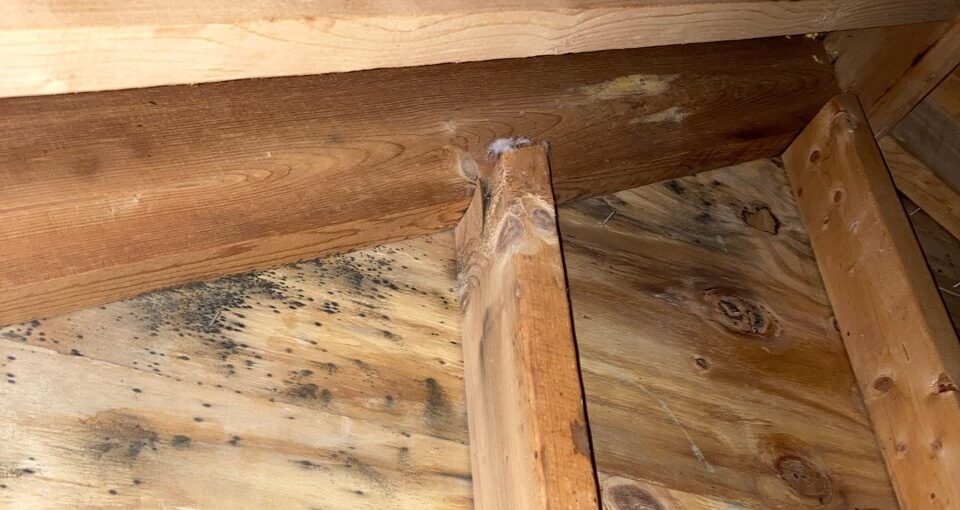
Yes, absolutely. High mold spore counts in air testing can signal a serious mold problem even when no visible growth is found. Mold often hides inside walls, ceilings, attics, and other concealed spaces. Elevated spore counts, especially combined with high humidity or a moisture source, mean the problem needs to be addressed.
A homeowner recently called us after getting professional mold testing done on their home. The results showed high spore counts in both the basement and attic, but no visible mold was found in the basement. Meanwhile, the attic had visible growth on a rafter, and there was a soft ceiling spot in the kitchen suspected to be hiding mold behind drywall. It is a situation we hear about regularly.
At Aspen Environmental, we help homeowners make sense of confusing test results and figure out exactly what needs to happen next. Here is what you should know.
What Do High Spore Counts Actually Mean?
High spore counts in the air mean mold is actively releasing spores somewhere in or around your home, even if you cannot see where the growth is. Mold colonies thrive in dark, damp, hidden areas. Inside wall cavities, behind insulation, under flooring, and above ceiling drywall are all common spots.
The basement situation in that call is a perfect example. No visible mold was spotted, but high humidity was flagged as a contributing factor. Elevated humidity alone creates the conditions mold needs to colonize surfaces hidden from plain sight. Ignoring it means giving mold a green light to keep spreading.
Why Is the Attic a Common Place to Find Mold?
Attics are one of the most common locations for mold growth in New England homes because of poor ventilation, temperature swings, and moisture from the living space below rising upward. When warm, humid air from inside the house hits the cold wood of rafters and sheathing, condensation forms. Over time, that moisture feeds mold.
Mold on attic rafters is a sign that the ventilation or insulation situation needs to be corrected alongside any remediation work. Treating the mold without addressing the root cause just means it comes back. Our mold remediation process always looks at what is driving the moisture problem, not just the visible growth.
What Happens When Mold Is Suspected Behind a Wall or Ceiling?
When moisture readings are elevated and a leak is suspected, there is a strong chance mold is already growing inside the building cavity, even if you cannot see it yet. Drywall and wood framing absorb water quickly. Within 24 to 48 hours of a leak, mold can begin to develop.
In cases like a soft kitchen ceiling with a bathroom directly above it, the leak needs to be repaired first, then the affected materials need to be tested and likely removed. Our experienced remediation team is trained to safely contain and remove mold-affected materials and verify that the space is clear before anything is closed back up.
What Should You Do If Your Test Results Show High Spore Counts?
Do not ignore elevated readings just because you cannot see growth
Address any identified moisture sources or humidity issues right away
Have a remediation professional assess hidden areas flagged by your testing
Follow remediation with clearance testing to confirm the problem is resolved
Acting early is always better. The longer mold is left to grow behind walls or in attic spaces, the more extensive and costly the remediation becomes.
Frequently Asked Questions
Is high humidity alone enough to cause a mold problem?
Yes. Mold does not always need a visible leak to grow. Chronic high humidity, especially in basements and attics, creates the damp environment mold needs. Controlling humidity with proper ventilation or a dehumidifier is a key part of any long-term prevention strategy.
Can I just run a dehumidifier and skip remediation?
A dehumidifier helps control moisture going forward, but it does not kill or remove existing mold growth. If spore counts are already elevated or growth has been confirmed, remediation is necessary before a dehumidifier can do its job effectively.
Do I need another mold test after remediation?
We always recommend post-remediation clearance testing. It confirms that spore counts have returned to normal levels and gives you documented proof that the problem was fully resolved. This is especially important before closing up walls or selling a home.
If your mold test came back with concerns and you are not sure what to do next, do not wait. Contact us and we will walk you through your options and get a technician out to assess your home. We serve homeowners throughout Massachusetts from our base in Methuen, MA.