

Why Does My Basement Smell Musty But I Can’t Find Any Wet Spots?
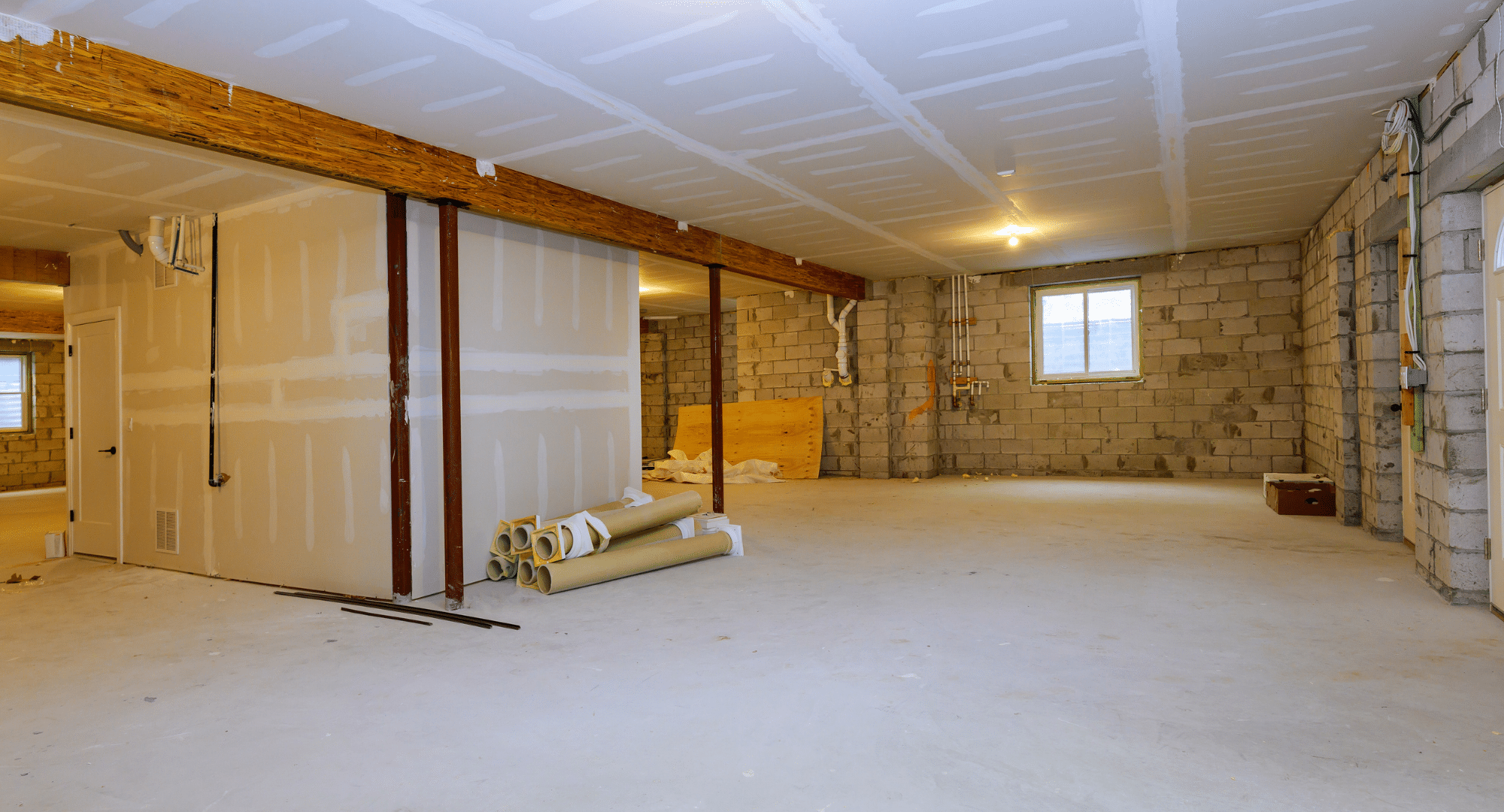
A musty basement smell without visible moisture usually means mold is growing somewhere hidden. Mold can thrive behind walls, under flooring, or in insulation long before you ever see it. The odor itself is produced by mold spores and microbial gases, and it often intensifies as a colony grows. If the smell is getting stronger, that is your signal to act.
A homeowner recently called us after noticing a musty odor rising from their basement over the course of just a day or two. They had not found any wet spots, but the smell was getting noticeably worse. That pattern is more common than most people realize, and it is exactly the kind of situation where waiting can turn a manageable problem into a costly one.
At Aspen Environmental, we help homeowners get real answers instead of guesses. Here is what you need to know.
What Causes a Musty Smell When There Is No Visible Moisture?
Mold does not need standing water to grow. It only needs humidity, a surface to feed on, and poor airflow. Basements are naturally prone to all three. Even if your basement looks and feels dry, moisture can be moving through concrete walls, collecting behind drywall, or pooling under a vapor barrier where you would never think to look.
Common hidden sources of basement moisture include:
Condensation on cold pipes or concrete surfaces
Slow foundation seepage that dries before you notice it
Humid outdoor air entering through vents or gaps
Leaks from above, such as a slow drip from a water heater or washing machine
Wet insulation that retains moisture for weeks
Mold growing inside wall cavities or under flooring can produce a strong odor while remaining completely out of sight. By the time you see visible mold, the colony is often well established.
Why Is the Smell Getting Stronger Over Time?
A musty odor that intensifies over days or weeks almost always means an active mold colony is expanding. Mold releases microbial volatile organic compounds, or MVOCs, as it metabolizes organic material. The more it grows, the more of those gases it releases.
Seasonal changes can also make a difference. As temperatures shift, humidity levels in basements fluctuate, and mold that was dormant can become active again. If you noticed the smell more after a stretch of warm, humid weather or after heavy rain, that is not a coincidence.
Should You Try to Find the Source Yourself?
You can do a basic walkthrough, but there are real limits to what a visual inspection can tell you. Check around the perimeter of the basement, look for staining or discoloration on walls and flooring, and feel along pipes and concrete for damp spots. If something smells stronger in a specific corner, note that for when you call us.
What you cannot do on your own is confirm whether mold is present inside walls, under flooring, or in your HVAC system. That requires air sampling and surface testing. Our mold testing process takes samples that are then analyzed to identify what type of mold is present and at what concentration, giving you actual data instead of assumptions.
What Happens After Mold Testing Confirms a Problem?
If testing reveals elevated mold levels, the next step is professional remediation to remove the source and prevent it from coming back. Our team walks you through every finding from the test and explains what it means in plain language. You can learn more about our mold remediation process and what to expect before any work begins.
Remediation is not just cleaning visible mold. It involves addressing the underlying moisture source, safely removing contaminated materials, and restoring proper airflow so the conditions that caused the problem do not return.
Frequently Asked Questions
Can I just use an air freshener or dehumidifier to fix the smell?
Those might reduce the odor temporarily, but they do not address the source. A dehumidifier can help slow mold growth by reducing moisture, but if mold is already established, it will continue to spread. Masking the smell while mold grows behind your walls only gives it more time to do damage.
Is a musty smell in the basement dangerous to my family’s health?
It can be. Mold exposure is linked to respiratory irritation, allergy symptoms, headaches, and worsening asthma. Certain mold species produce mycotoxins that pose more serious health risks. If anyone in your household has been experiencing unexplained symptoms, the basement odor may be a contributing factor worth investigating.
How does professional mold testing work?
A certified technician collects air samples and surface swabs from areas of concern. Those samples are sent to an accredited lab for analysis. Results tell us what species of mold are present and whether levels exceed normal thresholds. Our experienced team reviews the results with you and recommends next steps based on what the data actually shows.
Do Not Wait on a Smell That Is Getting Worse
If your basement has a musty odor that is intensifying, the problem is not going to resolve on its own. Mold does not stop growing because you ignore it. The sooner you get testing done, the smaller the remediation scope is likely to be.
If you are in Methuen, MA or anywhere in the surrounding area, contact us to schedule a mold inspection. We will help you find out exactly what is going on so you can make an informed decision about what to do next.