

Do I Need a Mold Inspection for Peace of Mind? Here’s What to Expect
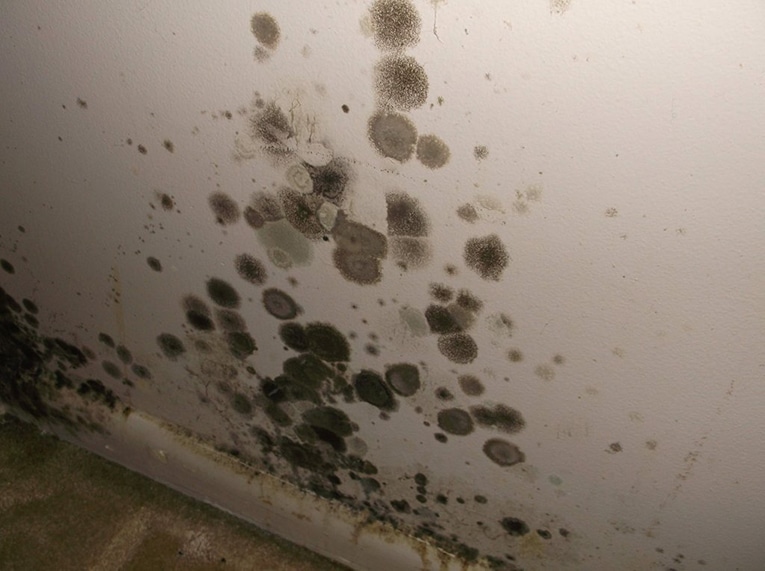 Understanding the Need for a Mold Inspection
Not every mold concern starts with visible damage. In many cases, homeowners begin to question their indoor air quality without seeing anything obvious. Maybe there’s a faint musty smell, a history of moisture, or simply a feeling that something isn’t right.
For many people, the goal isn’t solving a known problem; it’s gaining clarity. A professional mold inspection helps answer the question: Is there actually something to worry about?
Example: A homeowner recently reached out, simply looking for reassurance. There were no urgent warning signs, just a desire to understand whether mold could be present and what the inspection process involves.
READ: Can Mold Exposure Permanently Affect Your Voice or Health?
What Is a Mold Inspection and Why Do Homeowners Request One?
A mold inspection is a detailed evaluation of your home to determine whether mold exists, where it may be located, and what conditions could allow it to grow.
Common reasons homeowners schedule mold inspections:
- Persistent musty odors
- Past water damage or leaks
- Concerns about indoor air quality
- Allergy or respiratory symptoms
- Buying or selling a home
- General peace of mind
Many homeowners first learn about these risks while researching topics like Is It Safe to Live in a House With Mold?, and realize mold isn’t always visible.
How Does the Mold Inspection Process Work?
Q: What happens during a mold inspection?
A professional mold inspection typically includes:
- A visual evaluation of key areas such as basements, attics, bathrooms, and HVAC systems
- Moisture detection to locate conditions that support mold growth
- Air and surface sampling, when necessary
- Lab analysis to confirm mold types and concentration levels
At Aspen Environmental, inspections are designed to identify both visible and hidden issues, giving homeowners a complete picture of their indoor environment.
If you’re unsure whether testing is necessary, reviewing educational resources like the Aspen Environmental blog can help you understand when inspections are recommended.
Is a Mold Inspection Free? What About Pricing?
Q: Do I have to pay up front for an inspection?
Cost is one of the most common concerns homeowners have. In many situations, an initial visit or estimate may be offered at no cost, allowing you to understand the scope before moving forward.
Final pricing depends on:
- Property size
- Number of samples required
- Complexity of the suspected issue
The goal is always to provide clarity first, so you can make an informed decision without pressure.
Do You Offer Mold Inspections for Residential Homes?
Q: Is mold inspection only for commercial buildings?
Not at all. Residential mold inspections are one of the most common services requested.
Homeowners, renters, and buyers all benefit from understanding what’s happening inside their property. Whether you’re living in a single-family home or a multi-unit building, mold can develop anywhere moisture exists.
If you’re exploring your options, you can learn more about available services directly on the Aspen Environmental Services page, which outlines inspection and remediation solutions.
When Should You Consider Scheduling a Mold Inspection?
Q: Do I need to wait until I see mold?
No, and in fact, waiting can make things worse.
You should consider an inspection if:
- You smell something musty, but can’t locate the source
- You’ve had leaks, flooding, or condensation issues
- You’re moving into a new property
- You want to confirm your indoor air quality
Many homeowners researching concerns like How to Document Mold Problems in a Rental for Court realize that early inspection is key to avoiding bigger issues later.
What Happens After the Inspection?
Q: What if mold is found?
If mold is detected, the next steps are straightforward:
- You receive a clear explanation of the findings
- Recommendations are provided based on severity
- A remediation plan may be outlined if necessary
Not every inspection results in remediation. In many cases, homeowners gain peace of mind knowing there is no significant issue.
Why Peace of Mind Is a Valid Reason to Schedule an Inspection
Many homeowners hesitate to schedule an inspection because they feel like they need a “serious problem” first. But peace of mind is a legitimate reason.
Indoor air quality directly affects comfort, health, and long-term property value. Even without visible signs, uncertainty alone can be enough reason to take action.
Understanding your home’s condition allows you to move forward confidently, whether that means addressing a problem or confirming everything is fine.
FAQs About Mold Inspections
How long does a mold inspection take?
Most inspections take between 1 to 2 hours, depending on the size of the property and areas evaluated.
Will the inspection damage my home?
No. Mold inspections are non-invasive and designed to assess conditions without causing disruption.
Can mold exist without visible signs?
Yes. Mold often grows in hidden areas such as behind walls, under flooring, or inside duct systems.
Professional Mold Inspection Services in Boston, MA
If you’re unsure about your indoor air quality or simply want clarity, a professional mold inspection is the right step. Aspen Environmental provides thorough evaluations that help homeowners understand their space and make informed decisions. Contact Aspen Environmental Services today at (978) 681-5023.