

The Post-Renovation Surprise: Hidden Dust, Mold, and Asbestos Lurking Behind Your New Walls
The Post-Renovation Surprise: What You Don’t See Could Hurt You
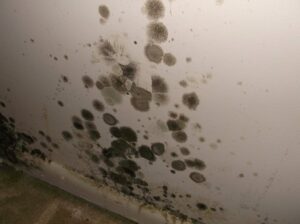 There’s nothing quite like the satisfaction of walking into your newly renovated home — fresh paint, sleek finishes, and updated spaces that finally reflect your style. But for many Boston homeowners, that post-renovation high doesn’t last long. Weeks after the contractors leave, strange odors, coughing fits, or persistent dust can creep in. What’s going on?
The answer often lies behind the walls, above the ceilings, or deep within the air ducts. Even the cleanest remodel can stir up old contaminants — including mold spores, lead dust, and asbestos fibers — that quietly compromise your indoor air quality.
Let’s explore the hidden side of home renovations and how you can protect your health and property this fall.
When a Renovation Kicks Up More Than Dust
Renovation projects often involve tearing down walls, sanding old surfaces, and installing new materials — all activities that release fine particles into the air. While a little dust may seem harmless, Boston’s housing stock tells a different story.
Many older homes in Massachusetts, especially those built before the 1980s, contain asbestos-based insulation, flooring, and ceiling tiles, or lead-based paint. When disturbed, these materials release microscopic contaminants that linger long after construction wraps up.
Even modern renovations can create conditions for mold growth — especially if water leaks, poor ventilation, or unsealed surfaces were overlooked during the remodel.
The Fall Factor: Why Post-Renovation Problems Peak in November
You might notice problems emerge in late fall for one simple reason: the heat’s back on.
As your HVAC system runs, it stirs up the dust, spores, and fibers that settled during your renovation. Combine that with the humidity swings typical of Boston’s fall weather, and you’ve got the perfect recipe for musty odors, worsening allergies, or visible mold spots behind walls and trim.
Some of the most common post-renovation issues seen by our environmental team at Aspen Environmental Services in November include:
- Mold behind freshly installed drywall or paneling due to trapped moisture.
- Dust-clogged air ducts circulating fine construction debris.
- Residual asbestos contamination from improperly handled materials.
- Musty odors coming from hidden leaks or damp insulation.
Mold: The Hidden Guest Behind Your New Walls
Mold is opportunistic — all it needs is a damp surface and organic material to grow. Renovations can unknowingly create those exact conditions. For instance, if walls were sealed before being completely dry, or if insulation absorbed moisture during construction, mold can start colonizing behind the scenes.
You might not see it, but you’ll often smell it — a faint earthy odor that worsens when the heat kicks on. In some cases, paint may bubble or discolor as the colony spreads. Left unchecked, this hidden mold can cause allergic reactions, respiratory issues, and costly structural damage.
Professional mold remediation ensures the contamination is not only removed but also that the source of moisture is identified and fixed, preventing recurrence.
Asbestos: The Invisible Risk in Older Boston Homes
If your property was built before 1980, there’s a chance asbestos is hiding in your walls, ceilings, or flooring. Renovations that involve demolition, sanding, or drilling can disturb asbestos-containing materials, releasing fibers too small to see but dangerous to breathe.
Symptoms from asbestos exposure can take years to appear, which is why asbestos testing and abatement are essential before and after any major renovation. Certified professionals can safely sample and remove asbestos without spreading contamination throughout your home or HVAC system.
The Air Duct Connection: Circulating Post-Renovation Contaminants
Your HVAC system acts like the lungs of your home — pulling in and redistributing air throughout every room. If mold spores, dust, or asbestos fibers are left behind after construction, your ductwork can quickly become a vehicle for spreading them.
That’s why post-renovation air duct cleaning is a crucial but often overlooked final step. Clean ducts improve airflow efficiency, prevent musty odors, and significantly reduce indoor allergens. For older Boston homes that have undergone renovation, this step is especially important before the heating season begins.
How to Spot Hidden Post-Renovation Problems
Watch for these warning signs in the weeks following a renovation:
- Persistent musty odors or a “wet paint” smell that doesn’t fade.
- Increased dust levels despite regular cleaning.
- Unexplained allergy or asthma flare-ups.
- Peeling paint, damp walls, or condensation.
- Dark spots or discoloration near baseboards or corners.
If you notice any of these symptoms, don’t ignore them — the source may be out of sight but still affecting your air quality and health.
Protect Your Home with Expert Environmental Testing
Before celebrating your completed renovation, take a moment to ensure it’s truly clean and safe. Professional post-renovation testing can reveal contaminants that visual inspections miss. Services like mold testing, asbestos sampling, and air quality assessments can give you peace of mind — and a healthy home for the holidays.
Professional Mold Remediation in Boston, MA
At Aspen Environmental Services, we specialize in mold remediation, asbestos abatement, and air quality restoration across Boston, MA, and nearby areas. Whether you’ve just finished a remodel or are planning one soon, our certified team ensures your home is safe from hidden contaminants before you settle back in.
Don’t let post-renovation problems undo your hard work. Contact us today to schedule an inspection or consultation through our Contact Page, and start breathing easier this fall.