

Can Mold Exposure Permanently Affect Your Voice or Health?
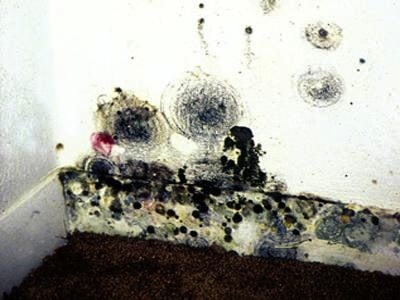 Mold isn’t just an unsightly nuisance – it’s a serious environmental health hazard that can cause real, lasting damage to your respiratory system, immune response, and in some cases, even your voice. Many people don’t connect chronic symptoms like coughing, fatigue, or hoarseness to hidden mold exposure until it’s progressed significantly. But for those living with untreated mold – especially in rental properties where remediation is delayed or ignored—the impact can become long-term or even permanent.
Real example: A tenant recently contacted us after months of exposure to visible mold in her apartment. She experienced severe respiratory problems, difficulty breathing, and vocal damage that affected her ability to speak normally. Despite orders from the local health department, her landlord delayed proper remediation. She needed professional documentation and help before her symptoms worsened.
How Does Mold Affect the Body?
Mold releases microscopic spores and mycotoxins into the air. When inhaled or touched, they can trigger:
- Allergic reactions (sneezing, itching, watery eyes)
- Asthma attacks or worsening respiratory conditions
- Chronic sinus or throat infections
- Fatigue, headaches, and brain fog
- Vocal strain or hoarseness in people who speak or sing professionally
For individuals with existing respiratory conditions or weakened immune systems, the health impact can be especially dangerous.
Can Mold Exposure Permanently Affect the Voice?
Q: How can mold damage your voice?
When mold spores are inhaled over time, they can inflame the mucous membranes of the throat, larynx, and sinuses. This chronic irritation can lead to:
- Hoarseness
- Vocal fatigue
- Loss of vocal range (in singers or speakers)
- Laryngitis or vocal cord inflammation
In severe or prolonged cases—especially where exposure continues without remediation—some vocal damage may require medical treatment, voice therapy, or even surgical intervention.
Who Is Most at Risk for Long-Term Mold Health Effects?
People most vulnerable to permanent health impacts from mold include:
- Individuals with asthma, COPD, or other lung conditions
- Seniors and young children
- People with compromised immune systems
- Professionals who rely on their voice, like teachers, singers, and call center workers
- Anyone living in a mold-affected space without proper remediation
What Are the Symptoms of Long-Term Mold Exposure?
Persistent mold exposure may cause:
System | Common Symptoms |
Respiratory | Coughing, wheezing, shortness of breath |
ENT (Ear, Nose, Throat) | Hoarseness, sinus congestion, postnasal drip |
Immune | Frequent illness, chronic fatigue |
Neurological | Brain fog, headaches, dizziness |
Skin | Rashes, itching, hives |
If you feel better when you leave your home—and worse when you return—mold may be the cause.
What’s the Difference Between Mold Allergies and Toxic Mold Exposure?
Q: Is all mold dangerous?
Not all mold is toxic, but all mold should be treated seriously. Mold allergies can cause symptoms similar to seasonal allergies. However, toxic molds (like Stachybotrys, or “black mold”) release mycotoxins that can suppress immune function, impair cognition, and irritate the respiratory tract.
Even non-toxic mold in large quantities can produce health issues, especially if allowed to grow unchecked.
How Is Mold Exposure Diagnosed or Documented?
If you believe mold is making you sick, consider the following steps:
- Keep a Symptom Log – Record when symptoms worsen and improve.
- See a Doctor – Ask for tests related to mold-related illness, such as allergy panels, IgE levels, or mycotoxin screening.
- Get a Professional Mold Inspection – At Aspen Environmental, we provide lab-tested reports that confirm the type and concentration of mold in your space.
- Document Visible Damage – Photos, odor logs, and communication with your landlord (if renting) can strengthen your case.
Why DIY Mold Cleanup Often Fails
Wiping down visible mold with bleach or vinegar may clean the surface, but it doesn’t:
- Kill mold spores embedded in drywall or insulation
- Stop mold from growing back due to unresolved moisture
- Address airborne spores affecting indoor air quality
Proper remediation includes source identification, moisture control, HEPA filtration, removal of contaminated materials, and antimicrobial treatment.
Can You Recover From Mold-Related Illness?
Q: Are the effects reversible?
In many cases, yes—especially if exposure stops and medical treatment begins early. However, chronic exposure can lead to permanent damage, including long-term respiratory issues or vocal cord scarring. That’s why early intervention is key.
When to Call for Help
You should call a certified mold remediation professional if:
- You see visible mold or water damage
- You notice musty odors
- You or others in the home are experiencing symptoms
- Your landlord refuses to act
- You need professional documentation for court, health departments, or insurance
Professional Mold Remediation in Boston, MA & Nearby Areas
At Aspen Environmental, we help homeowners and tenants protect their health with expert mold inspection, testing, and remediation. If you’re suffering from unexplained symptoms, vocal problems, or worsening indoor air quality, don’t wait. We can identify the source, document it, and eliminate it safely and thoroughly.
Contact us today to schedule a mold inspection or request a professional remediation quote.
Meta Description: Can mold exposure cause lasting health problems? Learn how mold can affect your voice, lungs, and immune system—and what to do if your symptoms won’t go away.
Let me know if you’d like this post as a PDF, social media series, or part of an email campaign.